- Tel: +86 13451474678 / 13451474678
- Email: / hbzinanmech@gmail.com

heavy duty gear
Unlocking Industrial Power: The Critical Role of Big Gear Wheels In heavy industries, the transmission of immense power and torque is paramount for operational efficiency and reliability. At the heart of many such systems lies the big gear wheel , a fundamental component engineered to withstand extreme loads and continuous operation. These colossal gears are not merely large cogs; they are precision-engineered marvels that facilitate the precise and robust transfer of mechanical energy in critical applications ranging from mining and cement production to offshore drilling and renewable energy. The industry trend is moving towards higher power density, increased durability, and greater efficiency. Manufacturers demand gears that can operate reliably under harsh conditions, with extended service life and minimal maintenance. This necessitates advancements in material science, manufacturing precision, and design optimization, pushing the boundaries of what is possible in heavy-duty power transmission. The integration of advanced computational fluid dynamics (CFD) for lubrication analysis and finite element analysis (FEA) for stress distribution has become standard, ensuring that modern big gear wheel designs can meet and exceed performance expectations. Furthermore, the push for energy efficiency in industrial processes means that these gears must minimize power loss through friction, contributing directly to reduced operational costs and a lower environmental footprint. This focus drives innovation in gear tooth profiles, surface treatments, and lubrication systems, all aimed at optimizing efficiency and extending the operational lifespan of these critical components. Technical Specifications and Structural Integrity The design and manufacturing of a big gear wheel demand rigorous adherence to technical specifications to ensure optimal performance and longevity. These gears are typically characterized by their large diameter, robust tooth profiles, and the specialized materials used in their construction. Key parameters include module (or diametral pitch), number of teeth, face width, and helix angle (for helical gears). For specialized applications, such as those requiring angular power transmission, a miter gear or bevel gear variant might be employed, though the fundamental principles of high-load capacity remain constant. Key Technical Parameters for Large Gearing Material Composition: High-strength alloy steels (e.g., 42CrMo4, 34CrNiMo6, 18CrNiMo7-6), engineered for superior toughness, fatigue resistance, and wear characteristics. Specific heat treatments like carburizing, nitriding, or induction hardening further enhance surface hardness while maintaining a ductile core. Tooth Profile: Often involute, but specialized profiles are used to maximize load-bearing capacity and minimize noise. Precision grinding and hobbing are crucial for achieving the desired accuracy (e.g., DIN accuracy grades 6-9). Diameter Range: Typically from 1 meter up to 16 meters or more, depending on the application and machine scale. Weight: Can range from several hundred kilograms to over 100 metric tons for the largest segments. Surface Finish: Essential for reducing friction and wear, often achieved through precision grinding, superfinishing, or shot peening. Structural Design: Often segmented for ease of manufacturing, transportation, and assembly, with precise bolt patterns for secure interlocking. Typical Big Gear Wheel Specifications Parameter Typical Range / Value Details / Benefit Material 42CrMo4, 34CrNiMo6, 18CrNiMo7-6 High tensile strength, excellent toughness, fatigue resistance. Heat Treatment Carburizing, Nitriding, Induction Hardening, Quenching & Tempering Enhanced surface hardness (58-62 HRC), improved wear and impact resistance. Diameter 1m to 16m+ Accommodates diverse heavy machinery scales. Accuracy Grade ISO/DIN 6-9 Ensures smooth operation, reduced noise, and extended lifespan. Surface Roughness Ra 0.8-3.2 µm Minimizes friction and wear, improving efficiency. Service Life 20+ years (under optimal conditions) Long-term reliability and lower total cost of ownership. Detailed Manufacturing Process Flow for a Big Gear Wheel The manufacturing of a big gear wheel is a complex, multi-stage process that combines advanced metallurgical techniques with high-precision machining and stringent quality control. Each step is critical to achieving the desired mechanical properties and geometric accuracy. Schematic Process Steps: 1. Material Selection & Sourcing: Careful selection of high-grade alloy steels (e.g., 42CrMo4, 34CrNiMo6) based on application demands for strength, hardness, and toughness. Materials are sourced from certified suppliers, ensuring chemical composition and mechanical properties meet strict standards. 2. Forging or Casting: Forging: For smaller to medium-sized large gears, open-die or ring rolling forging is used to refine grain structure, improve strength, and eliminate internal defects. This process results in superior mechanical properties. Casting: For very large diameters or complex geometries, high-integrity steel casting is employed. This involves pouring molten steel into molds, followed by meticulous inspection (ultrasonic testing, magnetic particle inspection) to detect any internal flaws. 3. Normalizing & Tempering: Post-forging/casting, the raw gear blank undergoes heat treatments like normalizing to refine grain structure and tempering to relieve internal stresses, preparing the material for subsequent machining and hardening processes. 4. Rough Machining (Turning & Boring): The blank is mounted on large CNC lathes or boring machines to achieve the basic outer diameter, inner bore, and face width. This removes excess material and ensures concentricity. 5. Gear Cutting (Hobbing or Milling): Utilizing specialized CNC gear hobbing machines or large-scale milling machines, the tooth profiles are precisely cut into the gear blank. This step is critical for achieving the correct tooth geometry and spacing. For extremely large gears, segmented cutting is often necessary. 6. Heat Treatment (Hardening): To achieve high surface hardness and wear resistance, the gear teeth undergo specific heat treatments. Options include through-hardening (quenching and tempering), induction hardening (local hardening of tooth flanks), carburizing, or nitriding, depending on the material and desired properties. 7. Finish Machining (Grinding & Lapping): After hardening, precision grinding machines refine the tooth surfaces to achieve the final required accuracy (e.g., ISO/DIN 6-9) and surface finish (Ra 0.8-3.2 µm). This step minimizes friction, reduces noise, and extends service life. Lapping may be used for ultra-high precision. 8. Quality Inspection & Testing: Comprehensive inspection is performed at multiple stages, including dimensional checks (CMM), material hardness testing (Rockwell, Brinell), metallurgical analysis, non-destructive testing (NDT) such as ultrasonic and magnetic particle inspection, and gear profile and lead measurement. Adherence to standards like ISO 1328-1 and ANSI/AGMA 2000-A88 is strictly maintained. 9. Surface Treatment & Coating: Depending on the application, gears may receive additional surface treatments like shot peening for improved fatigue resistance or protective coatings for enhanced corrosion resistance, particularly in harsh environments like marine or chemical processing. 10. Assembly & Packaging: If the big gear wheel is segmented, precision assembly takes place. Finally, the finished gear is carefully packaged and protected against damage and corrosion during transit. This rigorous process ensures that each big gear wheel delivered meets the highest standards of quality, reliability, and performance, guaranteeing a service life often exceeding 20 years in demanding industrial environments. Application Scenarios and Technical Advantages The versatility and robustness of big gear wheel s make them indispensable in a broad array of heavy industries where large-scale machinery operates under continuous, high-load conditions. Their design allows for efficient torque transmission, critical for the uninterrupted operation of industrial processes. Target Industries: Petrochemical: Used in large rotary kilns, dryers, and ball mills for processing raw materials, requiring consistent, high-torque output. Metallurgy & Mining: Essential for ore crushers, grinding mills, large excavators, and draglines, where extreme loads and abrasive environments are common. Cement & Construction: Integral to rotary kilns, grinding mills, and heavy-duty mixers. Water Supply & Drainage: Employed in large pump drives and water treatment facility machinery. Energy Sector (Wind, Hydro): Found in large gearboxes for wind turbines and hydroelectric generators, converting rotational energy efficiently. Marine & Offshore: Used in propulsion systems, winches, and crane drives on large vessels and offshore platforms, demanding high corrosion resistance. Key Technical Advantages: Exceptional Load Capacity: Engineered from high-strength alloys and precision-machined, these gears can transmit immense torque and power, far exceeding the capabilities of smaller gears. Extended Service Life: Through advanced material science, optimized heat treatments, and superior surface finishes, a modern big gear wheel offers a service life of 20 years or more, reducing downtime and replacement costs. Energy Efficiency: Precision tooth profiles and fine surface finishes minimize friction and reduce power loss, leading to significant energy savings over the operational lifespan of the machinery. Data from heavy industrial applications often show efficiency rates exceeding 98% for well-maintained large gear sets. Corrosion Resistance: For applications in corrosive environments (e.g., marine, chemical processing), specialized materials or protective coatings are applied, extending component life and ensuring reliability. Reduced Vibrations and Noise: High manufacturing precision, particularly in gear profile and lead, results in smoother mesh action, significantly reducing operational vibrations and acoustic emissions, contributing to a safer and more stable operating environment. Customization for Optimal Performance: The ability to customize dimensions, materials, and heat treatments ensures that each gear is perfectly matched to its specific application, maximizing performance and efficiency. These advantages collectively translate into lower total cost of ownership (TCO), enhanced operational reliability, and improved productivity for industries reliant on heavy machinery. Vendor Comparison and Customized Solutions Selecting the right manufacturer for a big gear wheel is a strategic decision that impacts machine performance, operational costs, and long-term reliability. B2B decision-makers must consider several critical factors beyond just price, including manufacturing capabilities, quality control, engineering expertise, and after-sales support. Key Vendor Comparison Criteria: Criterion Premium Manufacturer (e.g., Zinanmech) Standard Manufacturer Manufacturing Capacity Up to 16m diameter, state-of-the-art CNC machining, large forging presses. Limited to smaller diameters (<8m), conventional machining. Quality Certifications ISO 9001, CE, TUV, DNV; full traceability, advanced NDT. Basic ISO certification, limited testing protocols. Material Expertise Extensive range of alloy steels, custom metallurgy, heat treatment optimization. Standard steel grades, limited heat treatment options. Engineering & Customization Dedicated R&D team, FEA/CFD design, bespoke solutions for unique challenges. Off-the-shelf designs, minimal customization support. Lead Time & Fulfillment Optimized supply chain, project management, reliable delivery schedules. Variable lead times, less transparent project tracking. After-Sales Support Global support network, technical assistance, on-site service, comprehensive warranty. Limited or regional support, basic warranty. The Value of Customized Solutions: While standard gears are available, many heavy industrial applications benefit immensely from customized big gear wheel solutions. Customization allows for precise tailoring of parameters such as: Material Specification: Selection of specific alloy compositions and heat treatments to combat unique environmental challenges (e.g., extreme temperatures, corrosive agents, abrasive dust). Gear Geometry Optimization: Refinement of tooth profiles, helix angles, and pressure angles to achieve specific noise, vibration, and harshness (NVH) targets or to accommodate non-standard center distances. Load and Durability Enhancements: Designing for specific peak loads, shock loads, and fatigue cycles, often incorporating advanced surface treatments or coatings for extended operational life under severe conditions. Integration with Existing Systems: Ensuring seamless mechanical integration with legacy equipment or unique machine architectures, minimizing adaptation costs and maximizing performance. A dedicated engineering team capable of simulating complex operational scenarios (using FEA and CFD) can design a gear that not only fits perfectly but also delivers superior performance and longevity, providing a significant competitive advantage and higher ROI. Application Case Study: Enhanced Performance in a Large Rotary Kiln A major cement producer faced recurring issues with the main drive big gear wheel in one of their largest rotary kilns. The existing gear, supplied by a less specialized vendor, suffered from premature wear and pitting after only 10 years of operation, significantly below the expected service life of 20-25 years. This led to unscheduled downtime, costly repairs, and a substantial loss in production capacity. The Challenge: Premature Failure: The original gear experienced accelerated wear due to inadequate material specifications and inconsistent heat treatment for the demanding operating environment (high dust, continuous rotation, varying loads). Operational Instability: Worn teeth led to increased vibration and noise, stressing other components of the drive system and raising safety concerns. Production Losses: Each unplanned shutdown cost the client hundreds of thousands of dollars in lost output. The Solution: Our engineering team was engaged to design and manufacture a custom replacement big gear wheel . The solution involved: Advanced Material Selection: We opted for a 34CrNiMo6 alloy steel, known for its exceptional toughness and hardenability, paired with a specialized carburizing heat treatment to achieve a deep, high-hardness case (60 HRC) while maintaining a resilient core. Optimized Tooth Geometry: Using advanced FEA, the tooth profile was fine-tuned to distribute loads more evenly across the tooth surface, reducing localized stress concentrations and minimizing contact fatigue. Precision Manufacturing: The gear was manufactured using large-scale CNC hobbing and subsequent precision grinding to achieve an ISO 7 accuracy grade, ensuring smooth meshing and minimal backlash. Corrosion and Wear Protection: A robust phosphate coating was applied to the entire gear surface for enhanced corrosion resistance and improved lubricant retention. The Results: Extended Service Life: After 5 years in operation, the new gear shows negligible signs of wear, projecting a service life well exceeding 25 years. Reduced Downtime: The client has experienced zero unplanned downtime attributed to the gear drive since installation, translating into continuous production and significant cost savings. Improved Efficiency: Reduced friction and smoother operation have resulted in a measurable decrease in energy consumption for the kiln drive, contributing to energy savings of approximately 2-3%. Enhanced Reliability: Vibrations and noise levels have been drastically reduced, improving overall machine stability and operator environment. This case study exemplifies how a carefully engineered and precisely manufactured big gear wheel can deliver substantial operational improvements and a compelling return on investment for heavy industrial clients. Trustworthiness and Support: FAQ, Lead Time, Warranty, and After-Sales Frequently Asked Questions (FAQ) Q: What is the typical lead time for a custom big gear wheel ? A: Lead times vary significantly based on size, material complexity, and current production schedules. For standard custom projects, expect 12-20 weeks from design finalization to delivery. Urgent requests can sometimes be expedited with specialized planning. Q: What quality certifications do your products adhere to? A: Our manufacturing processes and products conform to international standards including ISO 9001:2015 for quality management, as well as specific material and gear accuracy standards such as ISO 1328-1, ANSI/AGMA 2000-A88, and DIN standards. We also provide full material traceability and comprehensive test reports. Q: Can you reverse-engineer a replacement gear if we don't have original drawings? A: Yes, our engineering team is highly proficient in reverse engineering. We can utilize 3D scanning and advanced measurement techniques to accurately replicate existing gears, even without original documentation, ensuring a perfect fit and restored performance. Q: What kind of support is offered after the purchase? A: We offer comprehensive after-sales support including technical assistance, installation guidance, and troubleshooting. Our global service network ensures that expert help is available when and where you need it. Lead Time & Fulfillment We pride ourselves on transparent project management and reliable delivery. Upon project initiation, a detailed timeline is provided, outlining design, material procurement, manufacturing, quality control, and shipping phases. Regular updates keep clients informed, ensuring predictable fulfillment of their big gear wheel orders. Typical Lead Time (Custom): 12-20 weeks Express Order Option: Available for critical situations, subject to material availability and production capacity. Logistics: Global shipping capabilities, including oversized cargo handling and multimodal transport coordination. Warranty Commitments Our big gear wheel products are backed by an industry-leading warranty that covers material defects and manufacturing flaws. Typically, we offer a warranty period of 24 months from the date of installation or 30 months from the date of shipment, whichever comes first. Specific terms may vary based on product type and application, and full details are provided with each quotation. Customer Support Our dedicated customer support team is available to assist with inquiries, technical specifications, and project updates. We provide expert guidance from initial consultation through the entire lifecycle of our products, ensuring optimal performance and customer satisfaction. Contact us via phone, email, or our online portal for prompt and professional assistance. References ISO 1328-1:2013. Cylindrical gears — ISO system of accuracy — Part 1: Definitions and allowable values of deviations relevant to corresponding flanks of gear teeth. International Organization for Standardization. ANSI/AGMA 2000-A88. Gear Classification and Inspection Handbook - Tolerances and Measuring Methods for Unassembled Enclosed Gear Drives. American Gear Manufacturers Association. ASM Handbook, Volume 4A: Steel Heat Treating Fundamentals and Processes. ASM International. Dudley, D.W. (1984). Handbook of Practical Gear Design. McGraw-Hill. Niemann, G., & Winter, H. (1983). Maschinenelemente: Band 2, Getriebe. Springer-Verlag.
-
0YEARS IN THE FIELD
-
0 KEXPERIENCED STAFFS
-
-
-
0 kACCOMPLISHED PROJECT
-
0SATISFIED CLIENTS
-
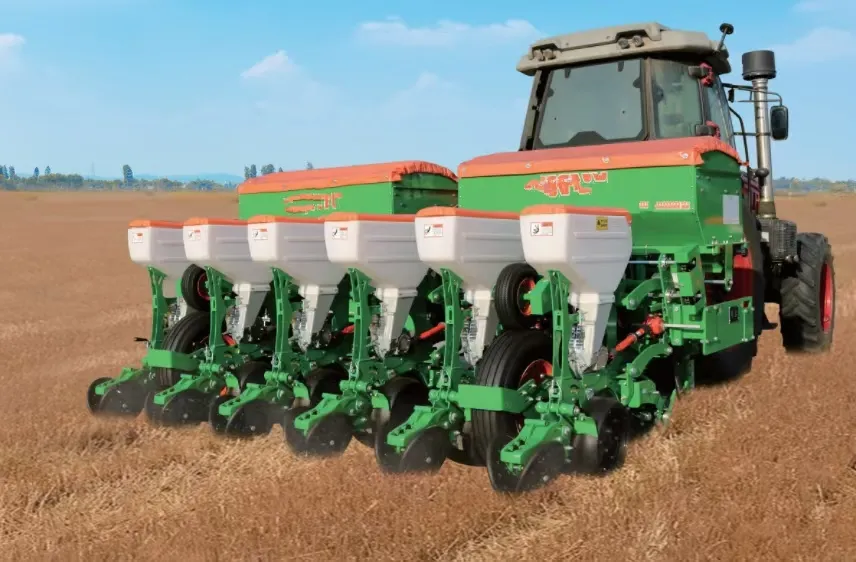
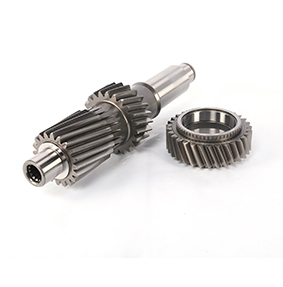
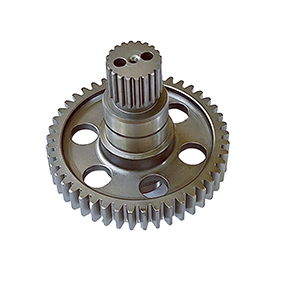
01The Application of Agricultural Machinery Gears In The IndustryAgricultural machinery gears are widely used in the agricultural machinery industry. In tractors, gears are applied to the transmission system. They can transmit the power from the engine to the wheels and achieve different speeds and torques through different gear combinations, so as to adapt to various working conditions such as plowing and transportation.
-
02Application of ComponentsIn agricultural machinery, the gearbox is mainly used to change the transmission ratio. Taking a tractor as an example, when the tractor needs to drive slowly in the field to cultivate the land and other operations, the gearbox can transmit the power of the engine through a lower transmission ratio, thereby outputting a larger torque to ensure that the agricultural machine has enough power to drive the agricultural implement for deep farming and other operations.
-
03Application of Agricultural MachineryField operations: Tractors are one of the most important power machines in agricultural production. In cultivated land operations, it can use powerful power to drive ploughshares to till the land by mounting ploughs to turn, break and level the soil, creating good soil conditions for sowing. For cultivator operations, it can mount cultivators to perform operations such as weeding, loosening and soil cultivation during crop growth to promote the growth of crop roots and nutrient absorption.
International layout
Spread all over the world
Our agricultural machinery products have won wide recognition and trust in the global market, and our sales network covers many countries and regions.
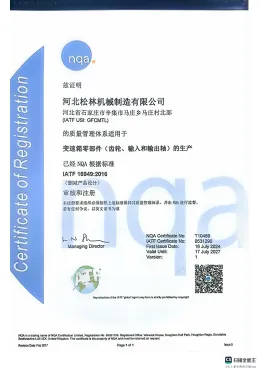
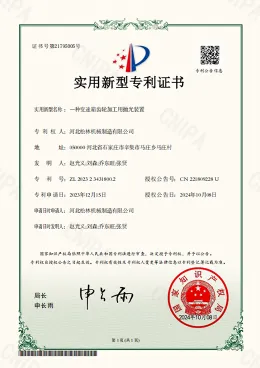
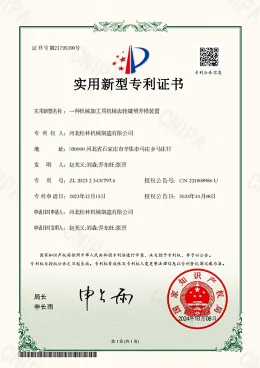

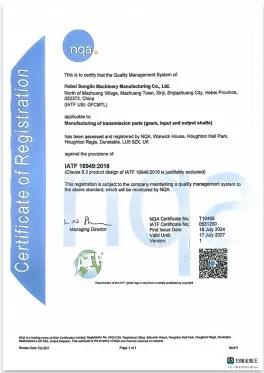
-
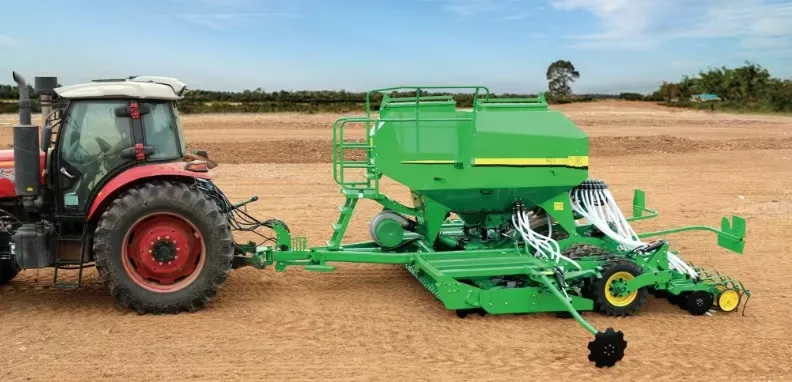
2026-04-05 00:17Compact Disc Seed Drill for Sale _ Precision Planting & EfficiencyIndustry Trends in Precision Agriculture and Compact Seeding Technology The global agricultural sect>
-
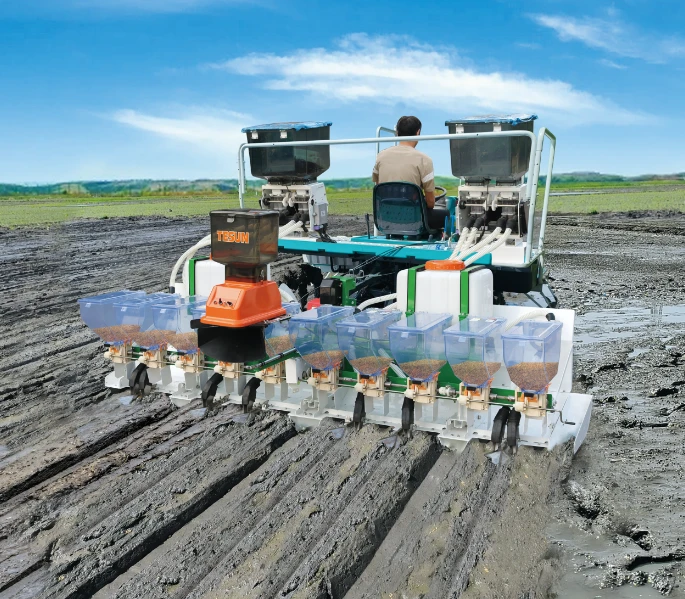
2026-04-04 23:56Pneumatic High Speed Seeder-Zinan Technology_Precision Planting&High-Speed OperationThe Pneumatic High Speed Seeder from Zinan Technology Co., Ltd. represents a breakthrough in agricul>
-
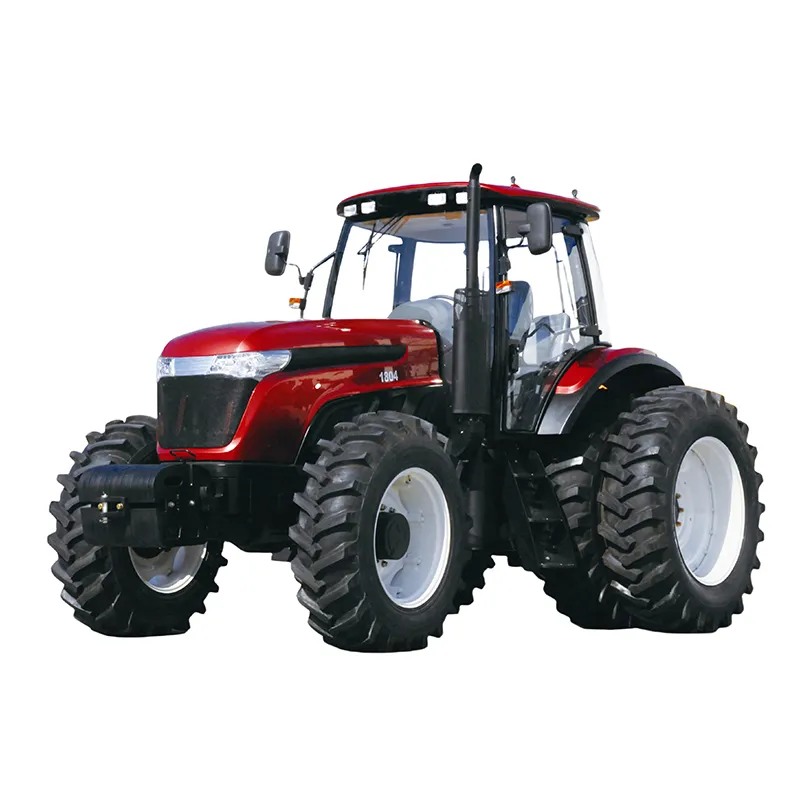
2026-04-04 22:50Crucial Components in Mechanical Transmission SystemsMechanical transmission systems are the backbone of numerous industrial and mechanical devices, ensu>
Sign up
for Newsletter
Subscribe to the weekly newsletter for all the latest updates